
Spring Cleaning & Garage Cleanout Dumpster Rental in Columbus: What Every Homeowner Needs to Know
Spring is our busiest season for garage cleanouts and whole-house spring cleaning projects. Learn what prohibited items catch homeowners off guard, when to book during peak season, and how wet spring weather affects your debris weight.

The $280 Contamination Fee That Almost Ruined a Perfect Spring Day
Last April, a homeowner in Hilliard called me three days after I'd picked up their dumpster from a garage cleanout. They'd just received their final bill and were livid.
"There's a $280 contamination fee on here," he said. "We only put garage stuff in there—nothing weird. What's going on?"
I pulled up the photos our disposal facility had sent me. The problem was immediately clear: mixed throughout the furniture, boxes, and garage clutter were at least a dozen prohibited items. Half-empty paint cans. Motor oil containers. A rusted propane tank. Aerosol cans of WD-40 and starter fluid. Garden chemicals including weed killer and fertilizer. An old car battery.
"Those were all stored in the garage," the homeowner explained. "We figured since they came out of the garage, they'd go in the garage cleanout dumpster."
Here's the thing about spring cleaning—especially garage cleanouts: your garage is where you've been storing prohibited materials for years, and spring is when you finally deal with them. But "dealing with them" can't mean tossing them in a dumpster along with everything else.
The disposal facility refused to accept the load until those hazardous materials were removed and properly disposed of at a specialized facility. The contamination fee covered:
- Sorting and removing all prohibited items: $125
- Specialized hazardous waste disposal: $105
- Additional fuel and labor for the corrective trip: $50
Total unexpected cost: $280. And the worst part? It was completely preventable if they'd known what couldn't go in the dumpster.
That's why I'm writing this guide. Spring cleaning and garage cleanouts generate more contamination issues than any other type of project I handle—not because people are careless, but because garages naturally accumulate prohibited items over the years and homeowners don't realize these materials require separate disposal.
Why Spring Cleaning Is Different from Other Dumpster Projects
I've been delivering dumpsters in the Columbus area for years, and spring cleanouts have unique characteristics that set them apart from renovations, moving cleanouts, or winter projects.
The Volume Is Unpredictable
A kitchen renovation? I can estimate debris volume pretty accurately based on square footage and what's being removed. A garage cleanout? It's impossible to predict.
I've delivered to garages in Powell where homeowners thought they'd fill a 14-yard dumpster, and they barely used half. I've also had customers in Dublin who estimated "just a weekend project" and ended up needing two dumpsters because decades of accumulated items had been stacked to the ceiling.
Spring cleaning projects—whether garage-focused or whole-house—reveal hidden accumulation. You don't realize how much you've kept until you start pulling everything out.
The Debris Mix Is More Complex
Renovation debris is predictable: drywall, cabinets, flooring, fixtures. Spring cleaning debris is a mixed bag:
- Old furniture and household items
- Seasonal decorations and storage bins
- Sports equipment and toys
- Gardening supplies and outdoor items
- Automotive supplies and tools
- Paint, chemicals, and maintenance products
- Appliances and electronics
- Construction materials from old projects
This diversity means higher risk of accidentally including prohibited items. Renovations rarely involve hazardous chemicals. Garage cleanouts almost always do.
Spring Weather Adds Weight Complications
Unlike summer or fall cleanouts, spring projects deal with wet debris. April showers don't just bring May flowers—they soak your outdoor items, garden supplies, and anything stored in damp basements or garages.
Wet cardboard, rain-soaked carpet, damp insulation, and water-saturated wood weigh significantly more than dry materials. A 14-yard dumpster includes up to 2 tons (4,000 lbs) of debris, and wet spring materials can push you over that weight limit faster than you'd expect.
More on this later, but it's worth noting upfront: spring weight management is different from other seasons.
Spring Is Peak Season: Why Booking Timing Matters More Than You Think
Let me be direct about something most dumpster rental companies won't tell you: spring is our busiest season, and availability gets tight fast.
From mid-March through May, demand for dumpsters in the Columbus area increases by 40-50% compared to winter. Everyone has the same idea: "Nice weather is finally here, let's tackle that garage/basement/attic we've been avoiding."
What "Peak Season" Actually Means for You
During our busiest spring weeks:
- Same-day delivery becomes less guaranteed - While I make every effort to accommodate same-day requests, April and May weekends can book up 2-3 days in advance
- Preferred delivery windows fill quickly - If you want delivery Friday morning for a weekend project, book by Tuesday or Wednesday
- Extension requests require advance notice - If everyone's backed up waiting for pickup, last-minute extensions become harder to accommodate
- Competitor availability disappears entirely - National companies that struggle with logistics year-round become essentially unavailable during peak spring weeks
I'm not saying this to create false urgency or pressure you into booking before you're ready. I'm saying it because I've taken calls from homeowners in Upper Arlington who waited until Saturday morning to book a dumpster for a Saturday afternoon garage cleanout, and I had to tell them the earliest I could deliver was Monday.
Their project got delayed by two days because they didn't realize spring demand affects availability.
How Far in Advance Should You Book?
Here's my honest recommendation based on years of spring delivery data:
For weekday delivery (Monday-Thursday): Book 2-3 days in advance during peak season (mid-March through May). Same-day delivery often works, but advance booking guarantees your preferred timing.
For weekend delivery (Friday-Sunday): Book at least 3-5 days in advance. Weekends book up fastest because most people tackle spring cleaning projects on their days off.
For holiday weekends: Book a full week ahead if possible. Memorial Day weekend, Easter weekend, and spring break weeks see the highest demand.
For early spring (February-early March) or late spring (June): Same-day or next-day delivery is usually available. These shoulder periods have much lighter demand.
Quick Tip for Spring Booking
If you're not sure exactly when you'll be ready for the dumpster, book it anyway. With Streamline Dumpsters, you can call to reschedule if your plans change. It's easier to push back a confirmed delivery than to try finding last-minute availability during our busiest season.
No games, no cancellation fees for reasonable rescheduling. I'd rather adjust your delivery date than have you unable to start your project on time.
The Prohibited Items That Catch Spring Cleaners Off Guard
This is the single biggest issue I see with spring cleaning dumpster rentals: prohibited items mixed with regular debris.
Homeowners don't intentionally violate disposal rules. They just don't realize their garage and basement are full of materials that require specialized disposal. Let's go through the specific categories that cause problems during spring cleanouts.
Automotive & Garage Chemicals (The #1 Problem Category)
Your garage is where automotive maintenance happens, and automotive maintenance means chemicals. These cannot go in a dumpster:
- Motor oil and oil filters - Even "mostly empty" containers have residual oil that contaminates entire loads
- Antifreeze and coolant - Toxic to animals and highly regulated for disposal
- Brake fluid, transmission fluid, power steering fluid - Any automotive fluids are prohibited
- Gasoline and diesel fuel - Even small amounts create serious fire hazards
- Car batteries - Contain lead and acid; require specialized recycling
- Tires - Not accepted at standard disposal facilities
Where these items go instead: Most auto parts stores (AutoZone, O'Reilly, Advanced Auto Parts) accept motor oil, batteries, and fluids for free recycling. Tires can be returned to tire shops for disposal (usually $2-5 per tire).
Paint & Home Improvement Leftovers
Spring cleaning is when you discover paint cans from every home improvement project you've done over the last decade. Here's what can and cannot go in the dumpster:
CANNOT go in dumpster:
- Liquid paint (latex or oil-based)
- Paint thinner and mineral spirits
- Stains and varnishes (if still liquid)
- Spray paint cans (pressurized aerosols)
CAN go in dumpster:
- Completely dried paint cans (100% solid, no liquid remaining)
- Empty paint cans (dried out or cleaned)
- Paint rollers, brushes, trays (dried)
How to handle liquid paint: Mix cat litter into latex paint to solidify it, then let it dry completely (48-72 hours). Once solid, the can becomes acceptable for dumpster disposal. For oil-based paint or large quantities, check with your local hazardous waste collection program.
Garden & Lawn Care Chemicals
Spring is planting season, which means your garage or shed contains bags, bottles, and containers of lawn and garden products. Almost all of these are prohibited:
- Weed killers and herbicides - Roundup, Ortho products, any chemical weed control
- Pesticides and insecticides - Bug sprays, ant killers, grub control, etc.
- Fertilizers (liquid or chemical) - Bag fertilizers are usually okay if completely empty; liquid or partially used chemical fertilizers are not
- Pool chemicals - Chlorine, pH adjusters, shock treatments, algaecides
Where these go instead: Franklin County residents can use the Household Hazardous Waste facility at the Morse Road landfill. Delaware and surrounding counties have similar programs. These facilities accept chemicals for free on designated collection days.
Pressurized Containers & Aerosols
Garages accumulate aerosol cans over years, and most homeowners don't realize these are prohibited even when "empty":
- WD-40 and lubricant sprays
- Starting fluid and carburetor cleaner
- Spray paint (mentioned above, but worth repeating)
- Propane tanks (any size, from camping canisters to BBQ tanks)
- Fire extinguishers (still pressurized)
- Compressed air cans
The issue isn't the contents—it's the pressure. Aerosol cans can explode when compressed in waste trucks or at disposal facilities, creating safety hazards.
How to handle aerosols: Some jurisdictions allow completely empty aerosol cans (no pressure, no contents) in regular trash. Check local regulations. Otherwise, take to hazardous waste collection.
Electronics & Appliances with Special Components
Spring cleaning often involves clearing out old electronics. Most are fine for dumpster disposal, but certain items require special handling:
CANNOT go in dumpster:
- Refrigerators, freezers, dehumidifiers with freon (unless freon removed by certified tech)
- CRT monitors and older TVs (contain hazardous materials)
- Fluorescent light bulbs and tubes (contain mercury)
CAN go in dumpster:
- Flat-screen TVs and monitors
- Computers, printers, and office electronics
- Microwaves and small kitchen appliances
- Washers, dryers, stoves, dishwashers
- Water heaters
The Pre-Cleanout Sweep You Need to Do
Before your dumpster arrives, do a specific sweep of your garage and storage areas looking for prohibited items. Here's how I recommend approaching it:
Step 1: Set aside a "disposal staging area" - Designate a corner of your garage or a section of your driveway for prohibited items. As you sort through belongings, immediately separate anything that might be prohibited.
Step 2: Check all cabinets and shelves - Don't just scan at eye level. Prohibited items hide on top shelves, in back corners, under benches. Old paint cans get pushed to the back. Chemical bottles sit forgotten behind newer supplies.
Step 3: Look inside containers - That box labeled "garage misc"? Open it. That storage bin from your old house? Check it. Old toolboxes often contain partial cans of lubricants, adhesives, or solvents.
Step 4: Identify questionable items before the dumpster arrives - If you're not sure whether something can go in the dumpster, set it aside and call me at (614) 636-2343 to ask. I'd rather answer 10 questions before delivery than deal with contamination issues after pickup.
Spring Weight Considerations: Why Wet Debris Matters
Our standard 14-yard dumpster rental includes up to 2 tons (4,000 lbs) of debris. For most projects, weight is never an issue—volume fills before weight becomes a factor.
But spring cleanouts are different because of moisture.
How Wet Weather Affects Debris Weight
April and May bring frequent rain to Central Ohio. When you're cleaning out garages, basements, and storage areas during this period, materials absorb moisture and increase in weight:
- Cardboard boxes - Dry cardboard: ~2-3 lbs per cubic foot. Wet cardboard: 8-12 lbs per cubic foot (300-400% increase)
- Carpet and padding - Dry: 5-8 lbs per cubic foot. Wet: 15-25 lbs per cubic foot
- Insulation - Dry: 1-2 lbs per cubic foot. Wet: 8-15 lbs per cubic foot
- Wood and lumber - Dry: 25-35 lbs per cubic foot. Wet: 45-65 lbs per cubic foot
- Drywall - Dry: 40-50 lbs per 4'x8' sheet. Wet: 80-120 lbs per sheet
A garage cleanout in Worthington last spring illustrates this perfectly. The homeowner cleared out old carpet runners, water-damaged boxes, and wood storage shelves from a garage that had leaked during winter. Everything looked reasonable volume-wise—maybe 10 cubic yards of debris.
But because everything had been sitting in dampness for months, the weight came in at 5,200 lbs. That's 1,200 lbs over the included 2-ton limit, resulting in a $36 overage fee (1,200 lbs at $0.03/lb).
The homeowner was surprised. "It didn't look that heavy," he said. It wasn't—until moisture got involved.
How to Estimate If You'll Exceed Weight Limits
For most spring cleaning projects—furniture, boxes, household items, seasonal decorations—weight is not a concern. You'll fill the volume before approaching 4,000 lbs.
Projects where spring weight might be an issue:
- Clearing out water-damaged basements or garages
- Disposing of carpet, padding, or upholstered furniture that's been exposed to moisture
- Large amounts of lumber or wood materials stored outdoors through winter
- Removing insulation from damp or poorly ventilated areas
- Cleaning out items stored on dirt floors (garage, shed, basement)
If you're concerned about weight: Call me before you book. Describe what you're disposing of and where it's been stored. I can give you an honest assessment of whether weight might be an issue and what the potential overage cost could be.
Weight overages are charged at $0.03 per pound. I'd rather discuss this possibility upfront than surprise you with an unexpected charge.
Spring Weight Management Tip
If you have wet materials, try to let them dry before loading. That rain-soaked carpet? If you can leave it in the sun for a day or two before disposal, you'll reduce its weight significantly. Water-damaged boxes? Break them down and let them air out if possible.
Even partial drying can save you hundreds of pounds and potentially avoid overage fees.
What Actually Fits in a 14-Yard Dumpster for Spring Projects
The question I get most often: "Will a 14-yard dumpster be enough for my garage cleanout?"
Honest answer: It depends on how much you've accumulated and how efficiently you load.
Typical Garage Cleanout (Fits in 14 Yards)
Most single or two-car garage cleanouts fit comfortably in a 14-yard dumpster if you're clearing out:
- Accumulated household items, boxes, and seasonal storage
- Old furniture (couch, chairs, shelving units)
- Sports equipment, toys, and recreational items
- Garden supplies, lawn equipment (non-powered or dismantled), outdoor furniture
- Old appliances (1-2 major appliances like fridge or washer)
- Construction debris from old projects (limited quantities of wood, drywall, etc.)
This typically generates 8-12 cubic yards of debris, leaving you with room to spare.
Whole-House Spring Cleaning (May Need 14+ Yards)
If you're doing a comprehensive whole-house spring cleaning where you're clearing out multiple areas—garage plus basement plus attic plus rooms—you might approach or exceed 14 yards:
- Garage cleanout plus basement or attic cleanout
- Multiple rooms worth of furniture removal
- Years of accumulated items from entire house
- Moving cleanout (getting rid of everything you don't want to take to new home)
For these larger projects, you have two options:
Option 1: Plan for two dumpsters - Book the first dumpster, fill it, schedule pickup, then book a second delivery for remaining items. This spreads cost but ensures you have capacity when you need it.
Option 2: Strategic phasing - Focus first on one major area (garage), complete that cleanout, schedule pickup, then tackle the next area (basement) with a second rental.
There's no cost savings to trying to cram 18 yards of debris into a 14-yard dumpster. Overloading creates pickup issues and can result in additional charges if items extend above the dumpster walls.
Loading Efficiency Matters for Spring Projects
Spring cleaning debris is often bulky and awkward—furniture, storage bins, irregular items. This makes loading efficiency critical.
I've covered loading strategy extensively in our guide to maximizing dumpster space, but here are the specific spring cleaning considerations:
- Break down furniture - Couches, shelving units, dressers take up 3-4x more space intact than broken down
- Flatten boxes and containers - Don't throw storage bins and boxes in whole; collapse them
- Use hollow items as containers - Fill appliances, furniture pieces, and large containers with smaller debris
- Load heavy items first, light items last - Prevents compression and wasted space
Garage Cleanout Checklist: Room-by-Room Spring Strategy
After years of delivering to spring cleanout projects, I've noticed that the most successful cleanouts follow a methodical approach rather than just "start throwing stuff away." Here's the strategy that works:
Phase 1: Prohibited Items Removal (Do This First)
Before your dumpster arrives:
- Walk through garage/basement and identify all prohibited items (chemicals, paint, automotive fluids, aerosols, batteries)
- Set these aside in a designated area away from the dumpster location
- Research local hazardous waste disposal options and schedule drop-off
- Handle freon removal from refrigerators/freezers if disposing of these items
Why this matters: Contamination fees average $150-350. Taking 30 minutes to properly identify and separate prohibited items saves significant money and project delays.
Phase 2: Sort Into Four Categories
Once prohibited items are handled, sort everything into:
1. Trash (goes in dumpster) - Broken items, worn-out materials, damaged goods with no resale value
2. Donate/Sell - Functional items in decent condition that others could use
3. Keep (but organize properly) - Items you're keeping but need better storage
4. Unsure (research disposal requirements) - Anything you're not confident about
This sorting process takes the most time but prevents mistakes and ensures you're not throwing away things you could donate or sell.
Phase 3: Strategic Loading
Load the dumpster in this order:
- Large, heavy items first - Furniture, appliances, exercise equipment
- Medium-density materials - Boxes, smaller furniture, storage units
- Bulky, lightweight items last - Packing materials, foam, cushions
- Fill gaps with small debris - Use loose items to fill spaces between larger pieces
Phase 4: Final Sweep
Before scheduling pickup:
- Do a final walk-through to ensure no prohibited items accidentally made it into the dumpster
- Check if there are items sitting next to the dumpster that you meant to load
- Confirm the dumpster lid closes (if items extend above the walls, they need to be redistributed)
- Clean up the area around the dumpster
When to Call for Pickup vs. Extending Your Rental
Our standard rental includes 7 days. For most spring cleaning projects, this is more than enough time. But spring projects sometimes expand as you discover more to clear out than expected.
Extension Flexibility
If you need more time, just call. We're flexible on extensions—I'm not interested in nickel-and-diming customers over rental duration.
However, during peak spring season (mid-March through May), extensions require advance notice because demand is high and dumpsters are scheduled back-to-back. If you know by day 5 that you'll need extra time, call then rather than waiting until day 7 when I might have another delivery already scheduled for your dumpster.
When to Schedule Pickup
Call for pickup when:
- The dumpster is full (filled to the top, with walls visible)
- You've completed your project even if the dumpster isn't completely full
- You're done with your current phase and want to start a second dumpster for the next area
You don't need to fill the dumpster completely to schedule pickup. If you're done and it's 70% full, that's fine. You paid for the disposal capacity, and I'll pick it up whenever you're ready.
Spring Cleanout Pricing: What You'll Actually Pay
Let's talk about what this actually costs, because spring is when I see the most price shopping and the most confusion about what different companies charge.
Our pricing is the same year-round: $319 base price + 8% Ohio sales tax = $344.52 total.
That includes:
- 14-yard dumpster
- Delivery to Dublin, Hilliard, Powell, Upper Arlington, Worthington, Plain City, and Columbus
- 7 days of rental time
- Up to 2 tons (4,000 lbs) of debris
- Pickup and disposal
Additional costs you might encounter (the only ones):
- Weight overage: $0.03 per pound if you exceed 4,000 lbs (mostly relevant for wet spring debris)
- Extended rental beyond 7 days: We're flexible here; call to discuss if you need more time
- Contamination fees: $150-350 if prohibited items are mixed with regular debris (easily avoidable by following this guide)
That's it. No seasonal surcharges. No "spring peak pricing." No fuel fees. No delivery fees separate from the base price. No surprise charges.
Why some competitors charge more in spring: National companies and some local competitors implement seasonal pricing during peak demand periods. I've seen prices jump 25-40% in April and May compared to their winter rates.
I don't do that. $319 in February, $319 in April, $319 in August, $319 in December. The cost of delivering a dumpster doesn't change based on the calendar, so neither does my pricing.
For complete pricing details and comparisons, see our transparent pricing guide.
Donation vs. Disposal: Making the Most of Spring Cleaning
Spring cleaning is the perfect time to evaluate what you have and what you actually need. Not everything that's leaving your garage or home needs to go in a dumpster.
What to Consider Donating Instead
If items are in decent, functional condition, consider donation options:
- Furniture - Habitat for Humanity ReStore, Volunteers of America, St. Vincent de Paul
- Clothing and household goods - Goodwill, Salvation Army, local churches
- Working appliances - Appliance manufacturers often have recycling programs with pickup
- Books and media - Columbus Metropolitan Library accepts donations
- Sports equipment - Play It Again Sports (for resale) or local schools/community centers
- Building materials - Habitat ReStore specifically accepts new or gently used building supplies
The donation-first strategy: Before your dumpster arrives, set aside anything in good condition for donation. Schedule donation pickup or drop-off, then book your dumpster for what remains. This often reduces your disposal volume by 20-30% while helping others.
When Disposal Makes More Sense
Don't feel guilty about disposing of items that are:
- Broken or damaged beyond reasonable repair
- Worn out or stained (furniture, carpet, etc.)
- Missing parts or non-functional (incomplete sets, broken equipment)
- Unsafe (damaged electronics, unstable furniture, compromised equipment)
Donation centers can't accept everything, and their capacity is limited. If you're unsure whether something is donation-worthy, call the organization first rather than dropping off items they'll just have to dispose of themselves.
Questions Spring Cleaners Ask About Dumpster Rental
"Should I rent the dumpster before I start or wait until I know how much I have?"
Rent it before you start, scheduled for the day you begin your project.
Here's why: Cleanout projects generate debris continuously. If you wait to "see how much you have" before booking, you end up with piles of debris sitting in your driveway or garage while you wait for delivery.
Plus, having the dumpster present creates accountability and momentum. It's much easier to commit to the cleanout when the dumpster is sitting there ready to use.
And if you underestimate volume? It's easy to schedule pickup and book a second dumpster. If you overestimate? You're done early, and you call for pickup when you're ready. Either way works fine.
"Can I put a dumpster on my driveway without damaging it?"
Yes, with proper placement protection. We place boards under the dumpster to distribute weight and protect your driveway surface.
Spring is actually one of the better seasons for driveway placement because the ground is typically dry (unlike muddy spring conditions elsewhere). Just make sure I have clear access for delivery and pickup.
If you're concerned about your specific driveway material or condition, call me before booking and we'll discuss the best placement strategy for your property.
"What if it rains while the dumpster is here?"
Rain happens frequently in spring. It's not a problem for the dumpster or pickup, but it does mean debris can get wet (affecting weight as discussed earlier).
If rain is forecast and you're concerned about weight:
- Load moisture-sensitive materials (cardboard, fabric, porous materials) early before rain arrives
- Consider covering the dumpster with a tarp if heavy rain is expected (though this isn't necessary for standard spring showers)
- Avoid loading just before or during rainstorms when materials will be heaviest
We pick up dumpsters in rain without issue—the truck is designed for all weather conditions.
"Do I need a permit for a dumpster in Columbus?"
It depends on where you place it.
No permit needed if: The dumpster is placed on your private property (driveway, yard, etc.)
Permit required if: The dumpster must be placed on the street or public right-of-way
Most residential spring cleanouts don't require permits because driveways provide adequate space. But if you live in an area with limited driveway access or need street placement, check with your city.
See our Ohio permit guide for city-specific requirements in Dublin, Hilliard, Powell, and surrounding areas.
"Can I throw away anything I want as long as it fits?"
No—and this is the critical misunderstanding that leads to contamination fees.
Size and fit don't determine what's acceptable. Disposal facility regulations determine what's acceptable, and those regulations prohibit hazardous materials, pressurized containers, and specific waste types regardless of whether they fit in the dumpster.
Follow the prohibited items list in this guide. If you're unsure about something specific, call me before putting it in the dumpster. A 2-minute phone call prevents $200+ in contamination fees.
"What happens if I accidentally put prohibited items in?"
If prohibited items are discovered during pickup or at the disposal facility:
- The facility refuses to accept the load until prohibited items are removed
- We must sort through the dumpster to remove the prohibited materials
- Prohibited items must be transported to a specialized disposal facility
- You're charged contamination fees covering sorting, specialized disposal, and additional transportation
Contamination fees typically range from $150-350 depending on the type and quantity of prohibited materials.
The good news: This is completely preventable. Do the prohibited items sweep before your dumpster arrives, and you'll never face these fees.
Why Spring Cleanout Success Depends on Planning, Not Just Disposal
Here's what I've learned from thousands of spring cleanout deliveries: The dumpster is the easy part. The strategy is what matters.
I can deliver a 14-yard dumpster to your driveway in Hilliard within hours. That's logistics, and I'm good at logistics.
But whether your spring cleanout succeeds—whether you avoid contamination fees, stay within weight limits, complete the project on schedule, and feel good about the results—depends on decisions you make before the dumpster arrives.
The planning decisions that determine success:
- Identifying prohibited items before loading
- Booking during peak season with enough advance notice
- Deciding what to donate vs. dispose
- Understanding how spring weather affects weight
- Loading strategically rather than randomly
- Knowing when to call for pickup or request extensions
None of these require specialized knowledge. They just require awareness of the factors that matter for spring cleanouts specifically.
That's why I wrote this guide—to give you that awareness upfront rather than having you learn through expensive mistakes.
Ready to Book Your Spring Cleanout Dumpster?
If you're planning a garage cleanout, whole-house spring cleaning, or any seasonal project in the Columbus area, I'd be happy to help you get set up.
You can book online right now if you're ready, or call me at (614) 636-2343 if you want to discuss your specific project first.
Questions I can help answer before you book:
- Whether 14 yards is the right size for your project scope
- Timing recommendations based on current peak season demand
- How to handle prohibited items you've discovered in your garage or basement
- Weight considerations for wet spring debris
- Placement options for your specific property
- Whether items you're unsure about can go in the dumpster
Base pricing: $319 + 8% tax = $344.52 total. 14-yard dumpster, 7 days included, up to 2 tons. No seasonal surcharges, no hidden fees. See our terms and conditions for complete details.
Peak season reminder: If you're planning your cleanout for April or May (our busiest months), book 3-5 days in advance to guarantee your preferred delivery date. Earlier or later in spring, same-day or next-day delivery is usually available.
Spring cleaning doesn't have to be stressful or complicated. With the right planning and reliable service, it can be one of the most satisfying projects you tackle all year.
Serving Dublin, Hilliard, Powell, Upper Arlington, Worthington, Plain City, and Columbus. Family-owned, locally operated, and here when you need us—even during our busiest spring season.
Planning Your Spring Cleanout?
Book now to secure your preferred delivery date during peak season. Same-day delivery often available. Honest pricing with no seasonal surcharges.
Book Your Dumpster NowOr call to discuss your project: (614) 636-2343
Related Articles
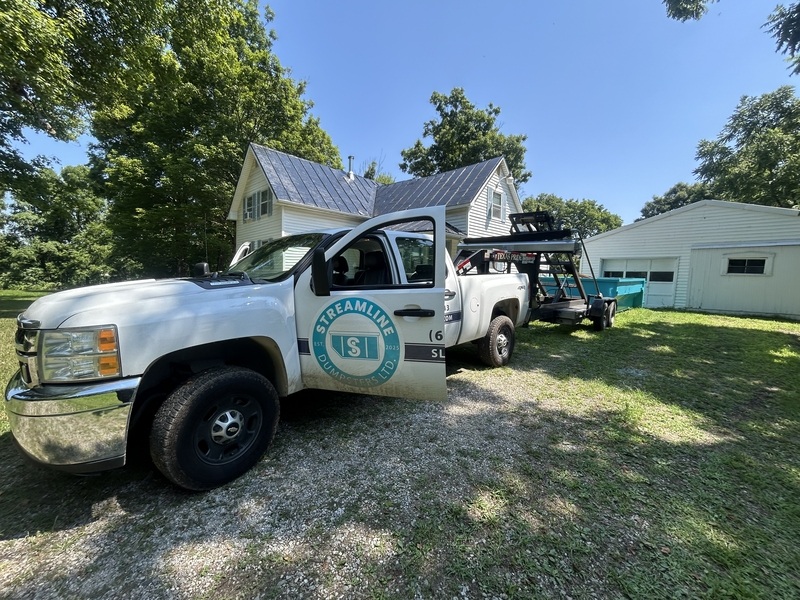
How to Maximize Space in Your Dumpster Rental
Loading mistakes that waste space and cost money—and how to avoid them.
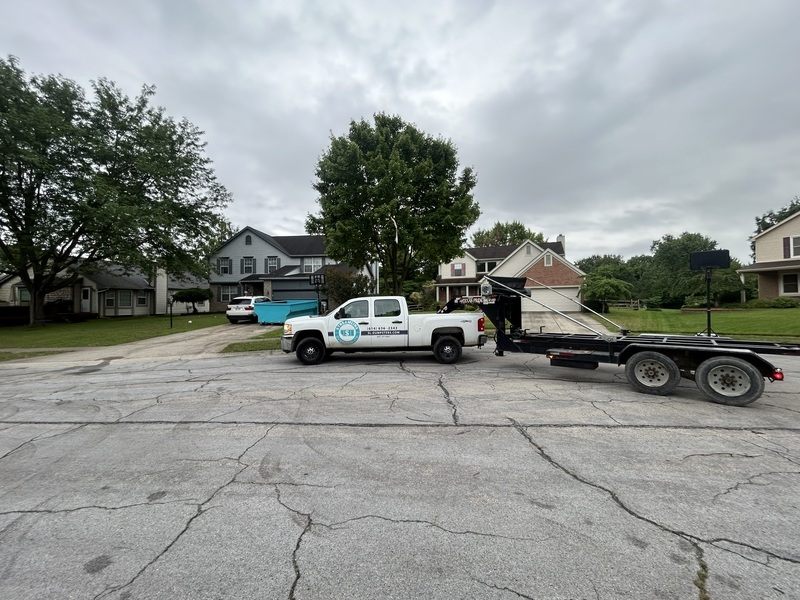
Transparent Pricing for Columbus Dumpster Rentals
Understand exactly what you're paying for—no hidden fees, no surprises.
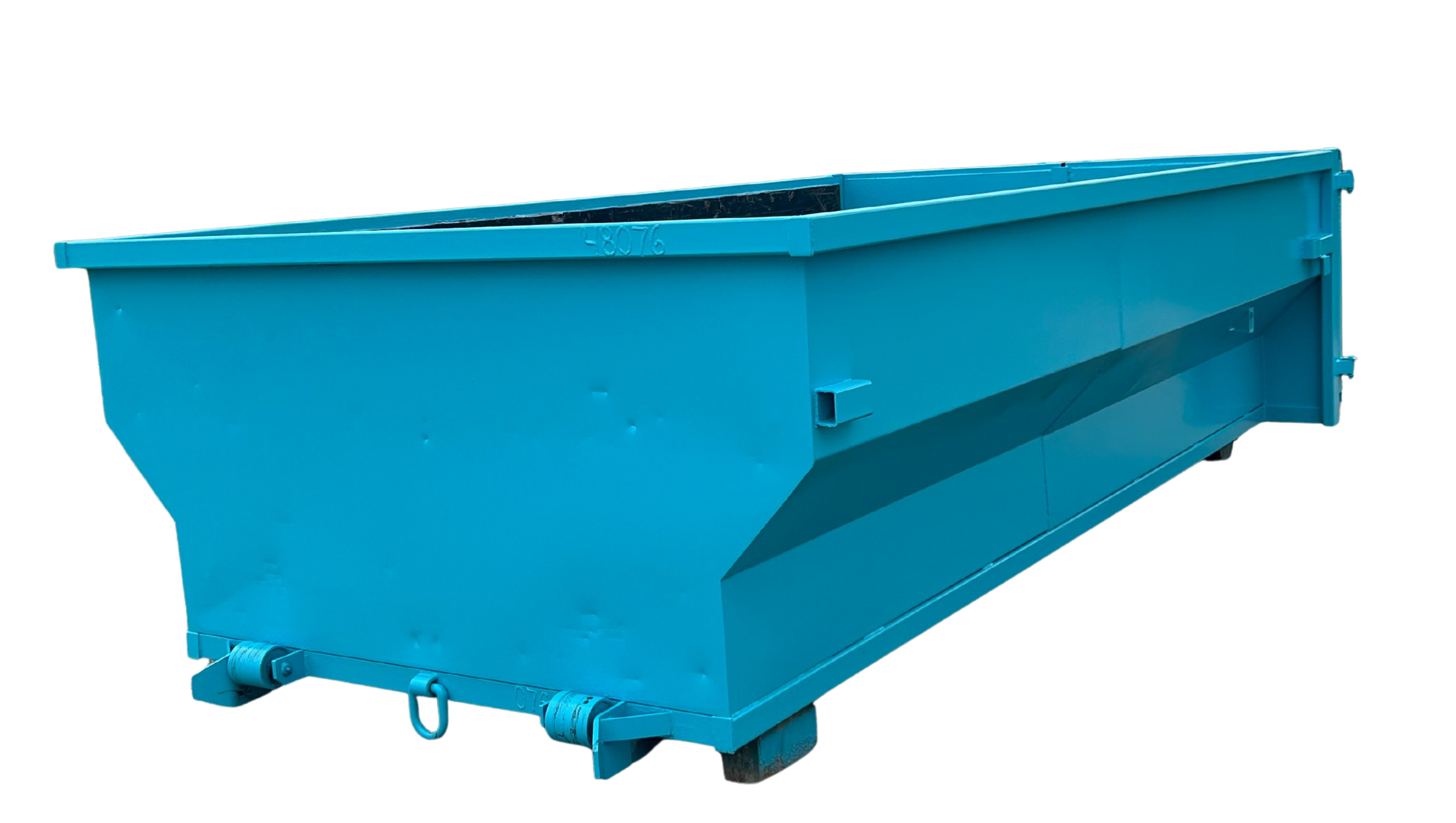
How to Choose the Right Dumpster Size
Detailed sizing guide for every type of home project in Columbus.