
Dumpster Placement Tips: Where to Put It on Your Property
Choosing the right spot for your dumpster saves headaches, prevents property damage, and makes your project easier. Here's everything Columbus homeowners need to know about dumpster placement—from clearance requirements to protecting your driveway.
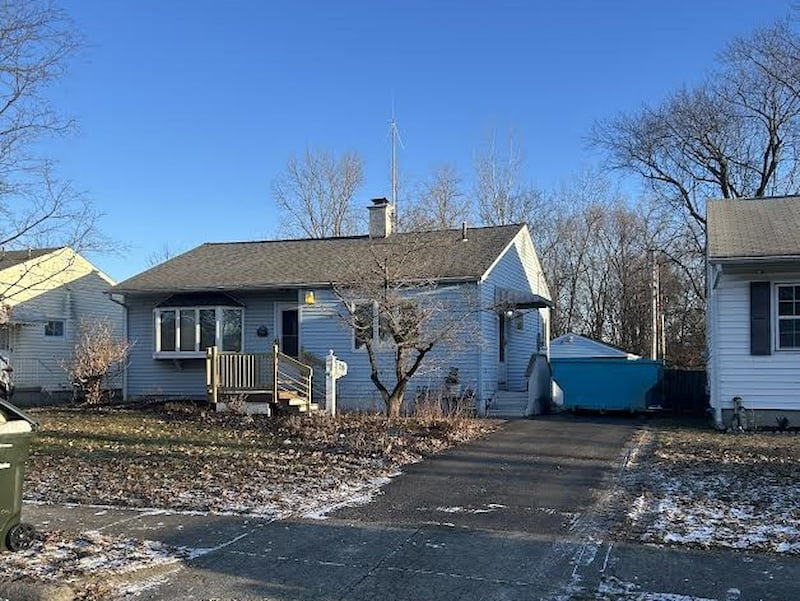
A homeowner in Hilliard called me frustrated last spring. Another dumpster company had delivered to his house that morning, and the driver had placed the dumpster exactly where the homeowner pointed—right in the middle of his driveway, blocking both garage bays.
"I didn't realize it would block everything," he told me. "My wife can't get her car out. I can't access the garage where all my tools are for the renovation. And the driver just dropped it and left. Now they're telling me it'll cost $150 to move it, and they can't come back until next week."
He ended up having his wife park on the street for four days and carrying tools through the house instead of going through the garage. A simple conversation about placement before delivery would have prevented the entire problem.
This business is my life, and doing good work is extremely important to me. That means making sure every dumpster goes in the right spot the first time—not just dropping it wherever and leaving customers to deal with the consequences.
Let's talk about dumpster placement: where it should go, what to avoid, and how to choose the perfect spot for your Columbus-area property.
Why Dumpster Placement Matters More Than You Think
Most people don't think much about dumpster placement until they're dealing with the consequences of poor placement. But where your dumpster goes affects everything about your project.
The Right Placement Means:
- Convenient debris removal - The closer the dumpster is to your work area, the less distance you're carrying heavy materials
- Maintained property access - You can still get vehicles in and out, access your garage, and move around your property
- Protected surfaces - Proper placement on stable ground prevents damage to driveways, lawns, and landscaping
- Safe delivery and pickup - Our truck can access the spot without hitting overhead obstacles or getting stuck
- Neighbor consideration - Your dumpster doesn't block sidewalks, mailboxes, or create safety hazards
Poor Placement Creates Problems:
- Blocked access - Can't get cars out, access garage, or use parts of your property
- Property damage - Dumpsters sink into soft ground, create ruts in lawns, or damage unstable surfaces
- Extra costs - Relocation fees, lawn repair costs, or having to rent longer because pickup is delayed
- Project delays - Work slows down when debris has to be carried long distances or access is blocked
- Safety hazards - Obstructed sightlines for backing out, tripping hazards, or blocking emergency access
The Ideal Dumpster Placement: Your Driveway
For most Columbus-area homes, your driveway is the best spot for a dumpster. Here's why driveways work so well and how to position the dumpster correctly.
Why Driveways Are Ideal
1. Designed for Heavy Loads
Driveways are built to support vehicle weight. A loaded 14-yard dumpster can weigh several tons—your driveway is already engineered to handle that kind of load. Grass, landscaping, and soft ground aren't.
2. Stable, Level Surface
Concrete and asphalt provide the stable, level surface needed for safe placement and pickup. Our delivery truck lifts the dumpster up and over the truck bed—this requires firm, level ground to operate safely.
3. Easy Access for Delivery and Pickup
Driveways provide clear access for our truck without navigating around obstacles, crossing lawns, or maneuvering through tight spaces. This makes delivery and pickup faster and safer.
4. Close to Work Areas
For most projects—garage cleanouts, home renovations, roofing work—the driveway puts the dumpster close to where you're working, minimizing the distance you're carrying debris.
How to Position a Dumpster on Your Driveway
Not all driveway placements are equal. Here's how to position it correctly:
Leave Room for Vehicle Access
If you have a two-car driveway, position the dumpster to one side so at least one vehicle can still get in and out. For single-car driveways, consider whether you need vehicle access during your rental period.
Common scenarios:
- Two-car driveway: Place dumpster on one side, leaving the other bay clear for vehicle access
- Long driveway: Position dumpster partway up the driveway, leaving room to get cars past it
- Short driveway: You may need to accept blocked access or consider alternative placement
Consider Garage Access
If you need to access your garage during the rental (for tools, materials, or parking), make sure the dumpster doesn't block garage doors. Even if you can squeeze past, constantly moving around a dumpster gets old fast over a multi-day project.
Position for Easy Loading
Think about where your debris is coming from. If you're replacing a roof, you want the dumpster close to where shingles will be coming off. For a basement cleanout, position it near the basement entrance you'll use to carry items out.
Driveway Protection: How We Prevent Damage
One concern homeowners have about driveway placement is potential damage. This is a legitimate concern—a loaded dumpster is heavy, and the pressure points where it sits can cause issues on some surfaces.
That's why every Streamline Dumpsters delivery includes driveway protection boards at no extra charge.
What Our Protection Boards Do
- Distribute weight - Boards spread the dumpster's weight over a larger surface area, reducing pressure points
- Prevent scratching - The boards create a barrier between the dumpster and your driveway surface
- Reduce cracking risk - For older or damaged driveways, boards help prevent stress cracks from heavy loads
- Protect asphalt - In summer heat, asphalt softens; boards prevent the dumpster from sinking into warm asphalt
We place boards under the dumpster during delivery and leave them in place for the duration of your rental. When we pick up, the boards come with us—your driveway is left clean and protected.
What If My Driveway Is Old or Cracked?
If your driveway has existing damage—cracks, potholes, or crumbling areas—mention this when you book. The protection boards help, but they can't eliminate all risk on severely damaged surfaces.
For driveways in very poor condition, we can discuss alternative placement options like the street (with a permit) or a more stable area of your property.
When Your Driveway Isn't the Best Option
Sometimes driveway placement doesn't work. Here's when to consider alternatives and what your options are.
Situations Where Driveway Placement Doesn't Work
1. Overhead Obstructions
Our delivery truck needs overhead clearance to lift and place the dumpster. If your driveway has low-hanging tree branches, power lines, or other overhead obstacles, we can't safely place a dumpster there.
Typical overhead clearance needed: 20-23 feet from ground to lowest obstacle. This includes power lines, tree branches, eaves, garage door tracks (if raised), and any other overhead structure.
2. Narrow or Steep Driveways
Some driveways are too narrow for our truck to navigate safely, or too steep for stable dumpster placement. Steep slopes can cause stability issues and make loading difficult.
3. You Need Full Access During Rental
If you absolutely must maintain full driveway access for vehicle parking or garage use during your rental period, and your driveway isn't large enough to accommodate both, you'll need alternative placement.
Alternative Placement Options
Street Placement
Placing the dumpster on the street in front of your house is a common alternative. This keeps your driveway clear while still providing convenient access.
Important considerations for street placement:
- Permits required - Most Columbus-area cities require permits for dumpsters on public streets; see our Ohio permit guide for city-specific requirements
- Traffic considerations - Make sure placement doesn't create traffic hazards or block sightlines at intersections
- Neighbor access - Don't block mailboxes, driveways, or sidewalks
- Collection days - Avoid street placement on trash collection days if possible
Side Yard or Back Yard (Access Permitting)
If you have a wide side yard with gate or fence access, side yard placement can work well—especially for projects like deck demolition or shed removal where the work is in the back yard.
Requirements for side/back yard placement:
- Access width: Our truck needs at least 10-12 feet of clearance to navigate and place the dumpster
- Gate opening: If going through a gate, it needs to be at least 12 feet wide when fully open
- Firm ground: The ground needs to support the truck and loaded dumpster without sinking
- Overhead clearance: Still need 20+ feet of vertical clearance for the truck's lifting mechanism
Side and back yard placement often aren't possible due to access constraints, but when they work, they can be ideal for keeping the dumpster very close to back yard projects.
What to Avoid: Common Placement Mistakes
After delivering dumpsters throughout Dublin, Powell, Hilliard, and surrounding areas for years, I've seen every placement mistake in the book. Here are the problems that come up most often.
Mistake #1: Placing on Soft Ground or Grass
This is the most common placement mistake I see, and it causes more problems than any other.
Why This Is a Problem
- Dumpsters sink - Even an empty 14-yard dumpster weighs 3,000+ lbs; loaded, it can weigh 6-8 tons; grass and soft soil can't support that weight
- Ruts and damage - The dumpster creates deep ruts in your lawn that require significant repair after pickup
- Pickup difficulties - If the dumpster sinks substantially, it complicates pickup and may require additional fees
- Seasonal problems - In spring or after rain, soft ground becomes mud; in winter, thawing can create instability
I've delivered to homes where previous customers placed dumpsters on lawns, and the grass is still growing back six months later. The repair costs—reseeding, topsoil, labor—can easily exceed $200-500 depending on damage severity.
When Grass Placement Might Work (Rarely)
In very limited circumstances, grass placement can work:
- Ground is completely dry and has been dry for weeks
- It's summer or early fall (not spring, winter, or rainy periods)
- The grass area has very firm, established soil underneath (not new sod or recently landscaped areas)
- You're willing to accept some lawn damage and repair costs
Even in these conditions, I typically recommend against grass placement if any alternative exists. The risk of damage is high, and the cost to repair often exceeds any convenience gained.
Mistake #2: Blocking Necessary Access
The Hilliard homeowner who couldn't access his garage for four days learned this lesson the hard way. Before choosing a placement spot, think through your access needs for the entire rental period.
Access to Consider
- Vehicle parking - Can you get cars in and out? Will family members be blocked in?
- Garage access - Do you need to get tools, equipment, or materials from the garage during your project?
- Work area access - Does dumpster placement block access to the area where you're working?
- Daily living - Can you still take trash to the curb, get mail, or access other parts of your property you use regularly?
For a three-day rental, blocking your driveway might be a minor inconvenience. For a week-long project, it can become a significant problem affecting your daily routine.
Mistake #3: Ignoring Overhead Clearance
Our delivery truck uses a hydraulic lift system to pick up and place dumpsters. This system extends well above the truck cab and requires substantial vertical clearance.
Common Overhead Obstacles
- Power lines - Extremely dangerous; we absolutely cannot deliver under low power lines
- Tree branches - Low-hanging branches prevent safe placement and pickup
- Garage eaves or roof overhangs - If the dumpster goes close to the house, eaves can create clearance issues
- Basketball hoops or other structures - Anything overhead in the delivery path creates problems
General rule: We need approximately 20-23 feet of vertical clearance from the ground to any overhead obstacle. When in doubt, mention potential overhead obstacles when you book—I can assess whether they'll be a problem.
Mistake #4: Not Thinking About Seasonal Conditions
The spot that works perfectly in summer might be a terrible choice in spring. Seasonal conditions affect placement more than most people realize.
Spring Placement Challenges
Spring is our busiest season for cleanouts and renovations, and it's also when ground conditions are worst:
- Thawing ground - Frozen winter ground thaws in spring, becoming soft and unstable
- Spring rains - March and April rain saturates soil, making grass placement particularly problematic
- Mud season - Unpaved areas, side yards, and any ground that isn't concrete/asphalt can become muddy messes
Spring placement advice: Stick to driveways and paved surfaces. If you must use grass or unpaved areas, wait for an extended dry period and accept that damage is likely.
Winter Placement Challenges
Winter brings its own placement considerations:
- Snow accumulation - If it snows during your rental, snow will accumulate in and around the dumpster, complicating loading
- Ice hazards - Dumpsters on driveways can create ice hazards as snow melts and refreezes
- Frozen ground concerns - While frozen ground supports weight better than thawed ground, thawing during your rental can create sinking issues
See our complete guide to winter dumpster safety for detailed winter-specific placement and usage tips.
Summer Placement Considerations
Summer is generally the easiest season for placement, but watch for:
- Hot asphalt - Asphalt softens in extreme heat; dumpsters can sink into hot asphalt (our protection boards help prevent this)
- Dry, hard ground - Summer is the best time for grass placement if absolutely necessary; ground is driest and firmest
- Shade considerations - A dumpster in full sun gets hot; if you're loading it in summer heat, shade (if available) makes the job more comfortable
Clearance Requirements: What Our Truck Needs
Understanding what our delivery truck requires for safe access helps you choose a placement spot that works the first time.
Horizontal Clearance (Approach and Maneuverability)
Our truck needs room to approach, position, and place the dumpster without hitting obstacles or getting stuck in tight spaces.
Ideal Clearance
- Approach width: 10-12 feet clear width to navigate to placement spot
- Maneuvering room: 25-30 feet of length to position truck for delivery
- Side clearance: 2-3 feet on each side of the dumpster for safe placement
Most residential driveways provide adequate clearance. Challenges arise with narrow driveways, tight turns, or heavily landscaped properties where trees, bushes, or decorative features limit approach routes.
Vertical Clearance (Overhead Space)
As mentioned earlier, we need 20-23 feet of overhead clearance. This is non-negotiable for safety reasons—contact with power lines is extremely dangerous, and hitting tree branches or structures damages both the truck and your property.
Ground Conditions and Slope
Firm, Level Ground Is Ideal
The truck and dumpster need stable ground. Soft soil, steep slopes, or unstable surfaces create safety hazards during delivery and pickup.
Slope Considerations
- Gentle slopes: Usually not a problem; dumpster may sit slightly tilted but remains usable
- Moderate slopes: Can work depending on slope direction and firmness; may affect loading convenience
- Steep slopes: Generally problematic; dumpster stability becomes an issue, loading is difficult, and pickup is complicated
If your only placement option involves a slope, let me know when you book. I can assess whether it'll work and discuss alternatives if needed.
How We Handle Placement: What to Expect
When I deliver your dumpster, placement isn't a "drop it and leave" operation. Here's what actually happens.
Pre-Delivery Communication
When you book online or call, I'll discuss placement with you:
- Where you're thinking of putting it
- Any potential obstacles or concerns
- Access considerations
- Alternative options if your first choice won't work
This conversation prevents most placement problems before they occur.
During Delivery
When I arrive with your dumpster:
- I assess the placement spot - Check for overhead clearance, ground stability, and access
- We confirm or adjust placement - If the planned spot works, great; if I spot a problem, we discuss alternatives on the spot
- Protection boards go down first - Before the dumpster touches your driveway, protection boards are in place
- Precise placement - The dumpster goes exactly where we agreed, positioned for your convenience
- Final check - I make sure you're happy with placement and answer any questions about using the dumpster
This process usually takes 10-15 minutes. The result: a dumpster in the right spot, protecting your property, ready for your project.
Special Placement Considerations
HOA and Neighborhood Rules
Some homeowners associations have rules about dumpster placement, visibility, or rental duration. If you're in an HOA community, check your association's rules before booking. Common HOA restrictions include:
- No street placement allowed
- Dumpsters must be screened or hidden from street view
- Rental duration limits
- Advance approval required
Most HOAs allow driveway placement for reasonable rental periods. If your HOA has specific requirements, let me know—we can usually work with their rules.
Neighbor Considerations
While it's your property and your dumpster, being considerate of neighbors makes everyone's life easier:
- Don't block mailboxes - Mail carriers need access; blocking mailboxes affects your neighbor's mail delivery
- Avoid blocking sidewalks - Pedestrians, strollers, and wheelchairs need clear sidewalk access
- Consider sightlines - Placement that blocks views at corners or driveways creates safety hazards
- Keep noise reasonable - Loading debris makes noise; try to avoid extremely early morning or late evening loading if the dumpster is close to neighbors
Loading Convenience vs. Other Factors
Sometimes the most convenient spot for loading isn't the best spot overall. You might want the dumpster right outside your basement door, but if that spot:
- Blocks your only vehicle access
- Sits on soft ground that'll create damage
- Has overhead clearance issues
- Creates safety hazards
...then a slightly less convenient spot that avoids these problems is the better choice. Carrying debris an extra 15 feet is a minor inconvenience. Dealing with blocked access, property damage, or safety issues for days is a major problem.
Quick Reference: Choosing the Perfect Spot
Here's a simple checklist to help you choose the ideal dumpster placement for your Columbus-area property:
Dumpster Placement Checklist
Ground Conditions
- ☐ Firm, stable surface (concrete/asphalt preferred)
- ☐ Relatively level (not steep slope)
- ☐ Dry conditions (avoid saturated ground or mud)
- ☐ Not newly paved or recently sealed
Clearance Requirements
- ☐ 20-23 feet overhead clearance (no power lines, branches, or structures)
- ☐ 10-12 feet approach width for truck
- ☐ 25-30 feet of space for truck positioning
- ☐ 2-3 feet side clearance around dumpster
Access Considerations
- ☐ Maintains vehicle access (if needed)
- ☐ Doesn't block garage doors
- ☐ Allows access to work area
- ☐ Doesn't obstruct daily activities
Safety and Courtesy
- ☐ Doesn't block mailboxes or sidewalks
- ☐ Doesn't create sightline hazards
- ☐ Complies with HOA rules (if applicable)
- ☐ Street placement permit obtained (if needed)
Convenience
- ☐ Close to work area for easy loading
- ☐ Accessible from debris source (garage, house, etc.)
- ☐ Positioned for efficient workflow
We're Here to Help You Get It Right
Choosing the right dumpster placement shouldn't be stressful. When you book with Streamline Dumpsters, you're not just getting a metal container dropped in your driveway—you're working with someone who cares about getting every detail right.
Before delivery, I'll discuss your placement options with you. When I arrive, I'll assess the spot and let you know if I see any potential issues. If your planned location won't work, we'll figure out an alternative together on the spot—no extra fees, no hassle.
This business is my life, and I want every delivery to be perfect. That means making sure the dumpster goes in exactly the right spot for your specific situation, protecting your property, and making your project as convenient as possible.
Ready to Book Your Dumpster?
Now that you know what makes for ideal dumpster placement, you're ready to book with confidence.
14-yard dumpster: $319 + tax = $344.52 total
Includes delivery, pickup, three days rental, 4,000 lbs capacity, and driveway protection boards. Same-day delivery available at no extra charge throughout Dublin, Hilliard, Powell, Upper Arlington, Worthington, Plain City, and the greater Columbus area.
- Book online: Quick online booking available 24/7
- Call to discuss placement: (614) 636-2343 - I'll help you choose the perfect spot
- Same-day service: Book before 2 PM for delivery today
Not sure where to put your dumpster? Call me. I've delivered to hundreds of Columbus-area properties, and I can help you choose the spot that makes the most sense for your specific situation. No question is too basic, and I'd rather spend five minutes discussing placement than have you dealing with problems for the next three days.
Because getting the dumpster in the right spot isn't just about convenience—it's about respecting your property, your project, and your time. And that's what Streamline Dumpsters is all about.